Exports

Growing Demand Globally
Global demand for U.S. soybeans doesn't drive itself. Checkoff investment funds the market development and infrastructure that keep buyers choosing U.S. soybeans.
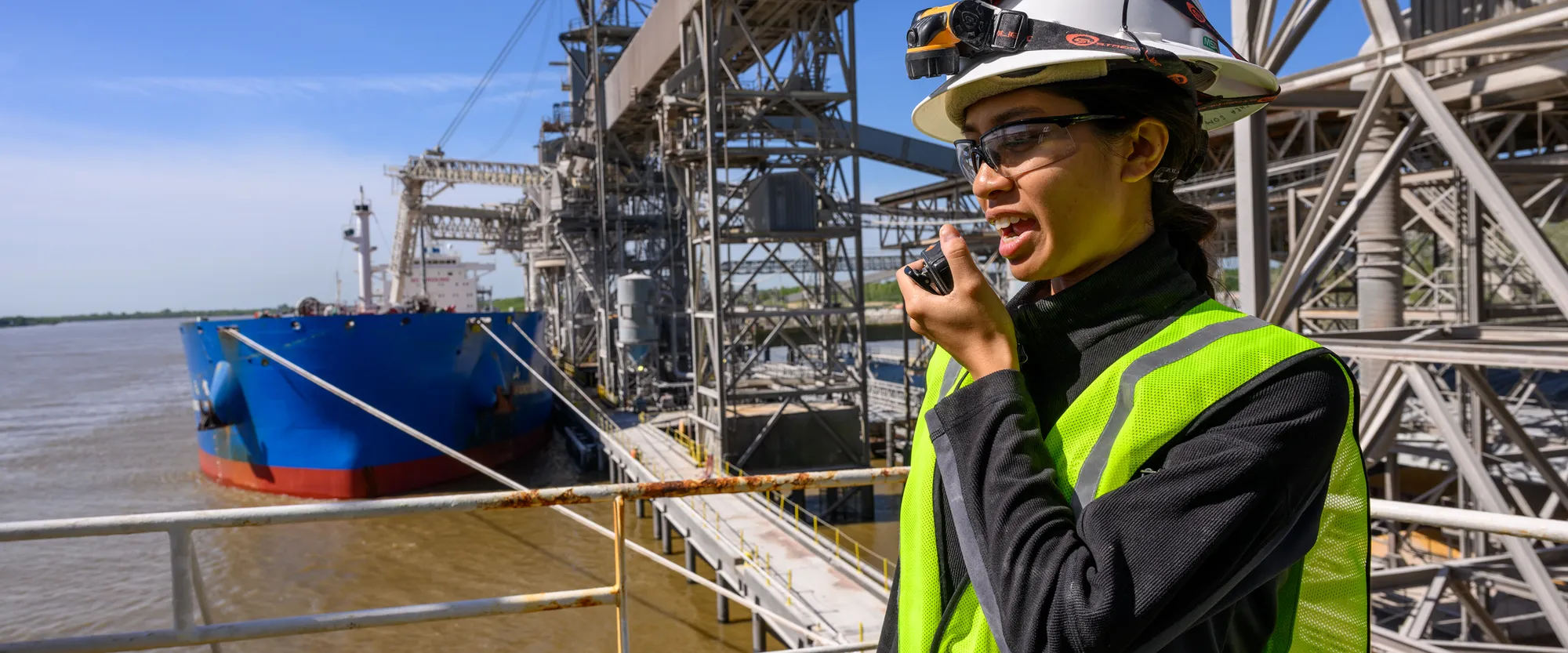
Worker wearing a hard hat, safety glasses, and a vest using a radio at an industrial port facility, with a cargo ship docked alongside the loading infrastructure.

The Checkoff Expands Reach Globally

Checkoff investment in exports targets the markets where U.S. soybeans have the most to gain, from protecting established demand to building presence in markets where opportunity is still emerging. Whole soybean and meal exports make up the majority of today's export value, but indirect exports of U.S. Soy℠-fed livestock and poultry are expected to grow continuously in the coming years.
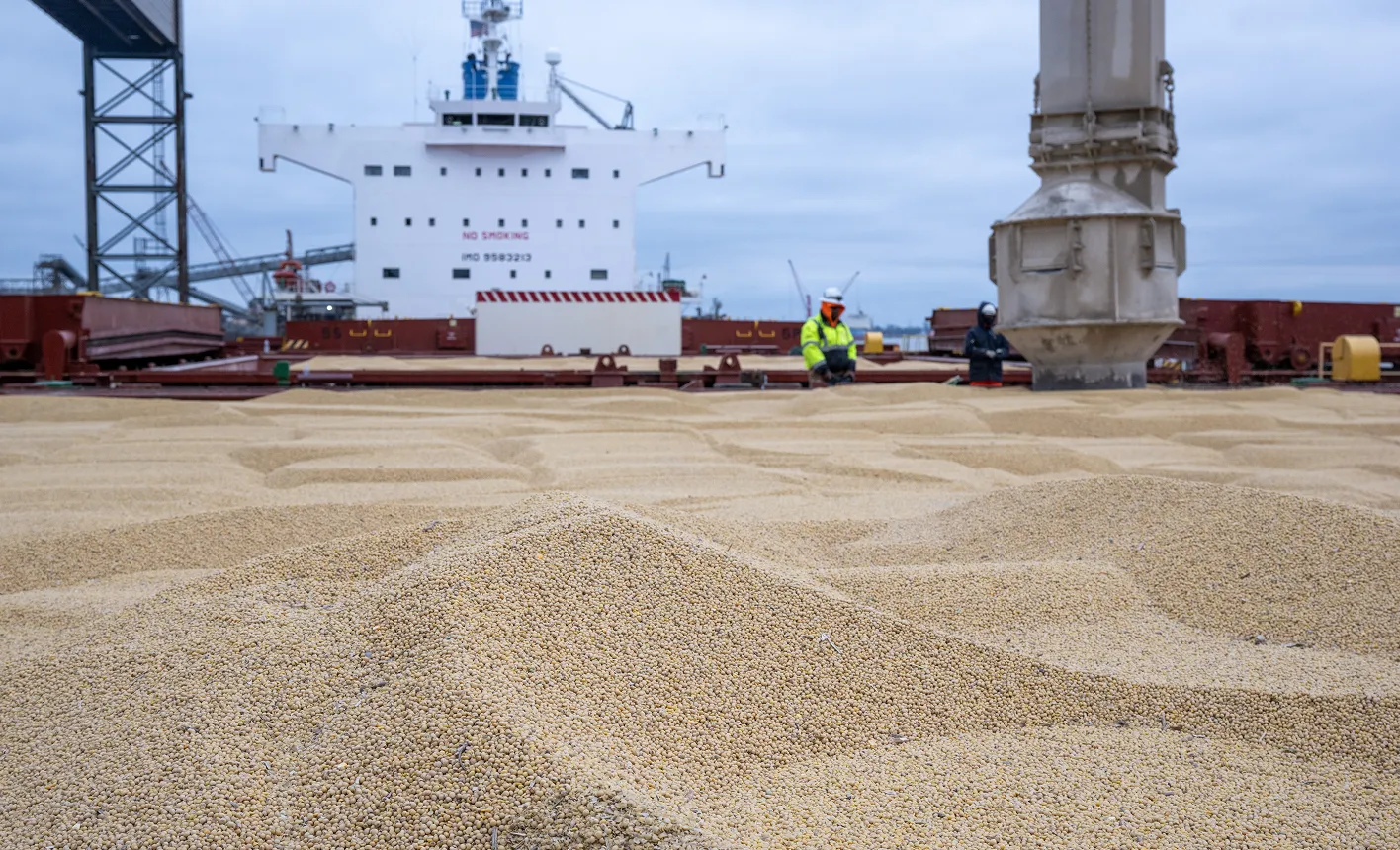
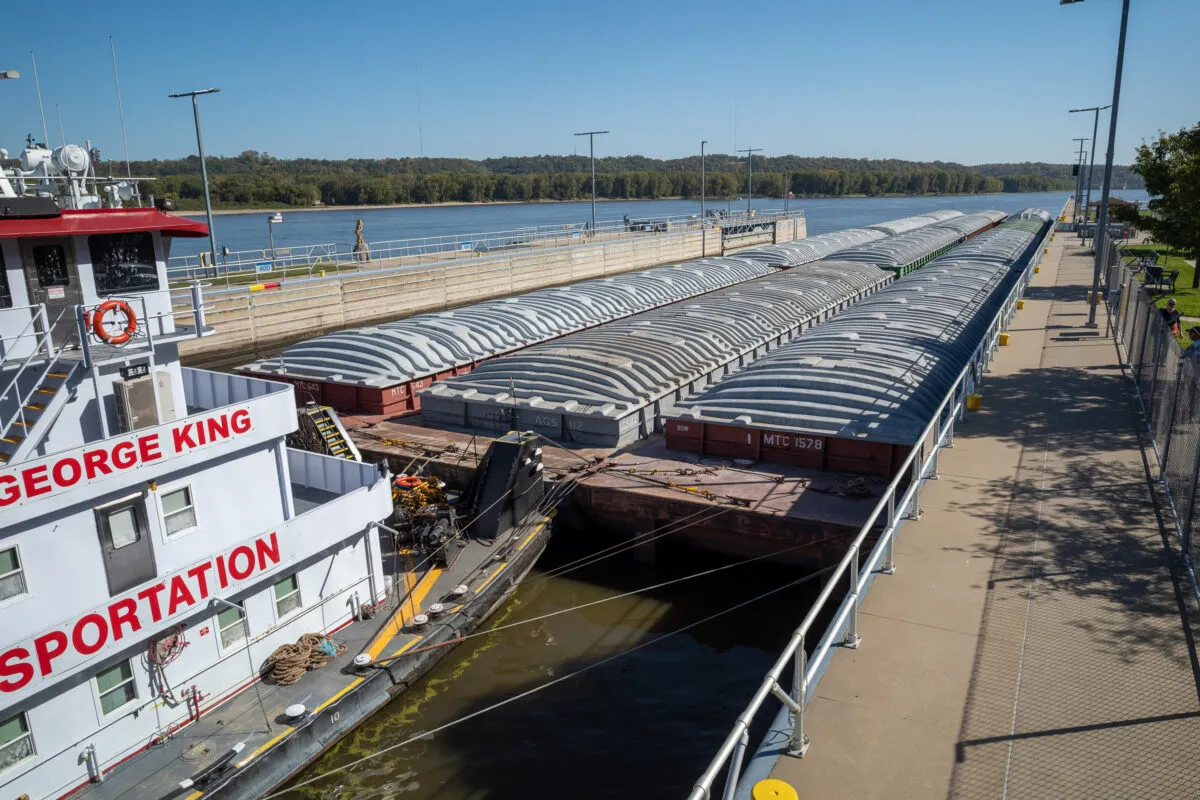
Soybeans loaded at a port export facility, with a cargo ship, workers, and grain-handling equipment visible in the background.

What it Takes to Keep 90+ Markets Open

Export markets take years, sometimes decades, of relationship building before the first bushel moves.

The checkoff works with export partners to invest in market access and trade development work that keep those relationships active in countries around the world.

Protecting the Markets Farmers Depend On

Export markets are critical to our industry. The Soy Checkoff works to keep that demand strong as markets around the world evolve.

Trade Volatility

Tariffs and trade agreements influence where soybeans flow, and U.S. Soy maintains a presence in key markets to address buyers’ concerns.

Global Competition

Global soybean production capacity is growing, and the countries driving that growth are actively competing for the same market share as U.S. soybeans.

Market Concentration

When export demand is concentrated in a few key markets, disruptions in one of them can have an outsized impact on U.S. soybean demand overall.

Buyer Expectations

International soybean buyers expect consistent quality data, reliable supply, and verification for sustainably produced soy before committing to a supplier.
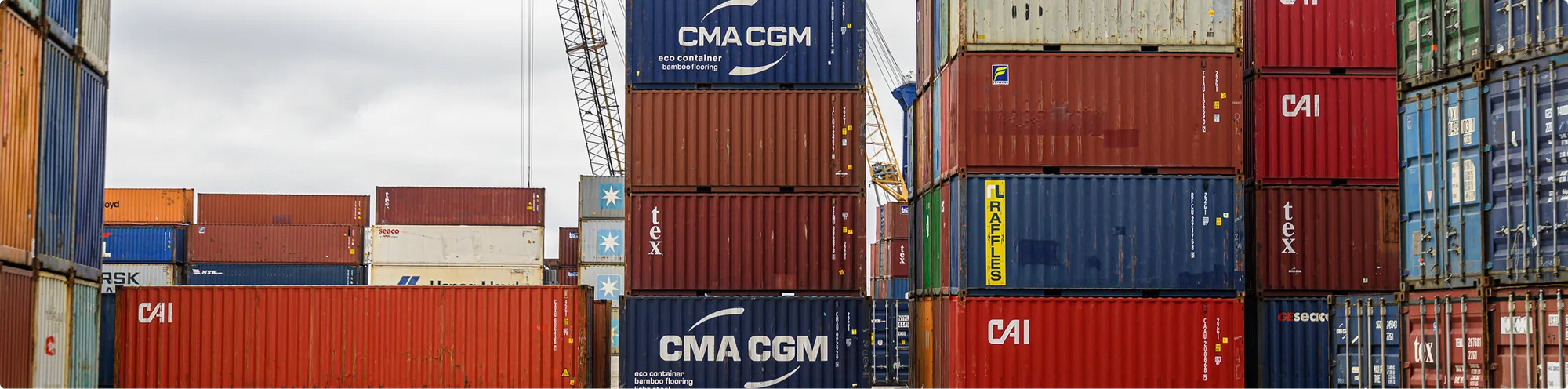
Stacks of shipping containers in a cargo yard at a port or logistics facility, with cranes and industrial infrastructure visible in the background.

Commitment to Global Exports

The checkoff puts serious resources behind export markets because that investment delivers real value back to soybean farmers.

71%

Shipments with U.S. Soy Sustainability Assurance Protocol verification in 2025, the highest ever share of total soy exports

$14.26

In net revenue returned to soybean farmers for every $1 invested in export market development

Where U.S. Soy is Exported

For decades, the Soy Checkoff has built international relationships, fostered demand, and aligned production practices with the needs of trading partners around the world.
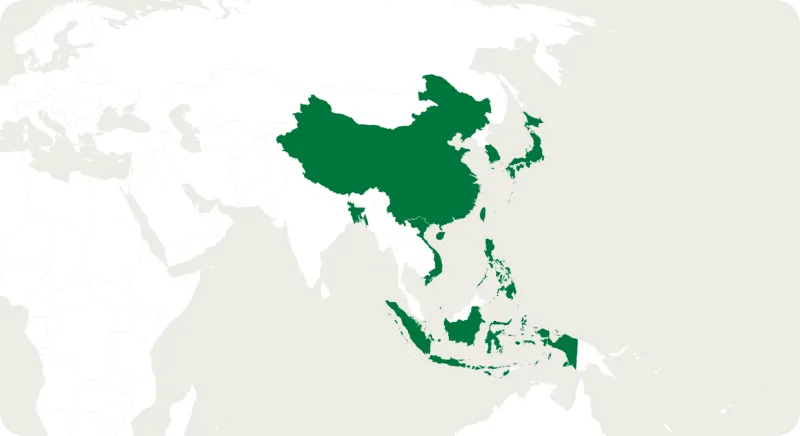
Map highlighting China, Japan, South Korea, Southeast Asia, and other key markets in East and Southeast Asia.

Asia

From established buyers in China and Japan to fast-growing markets like Vietnam and Indonesia, Asia represents the largest and most diverse region for U.S. soybean exports.
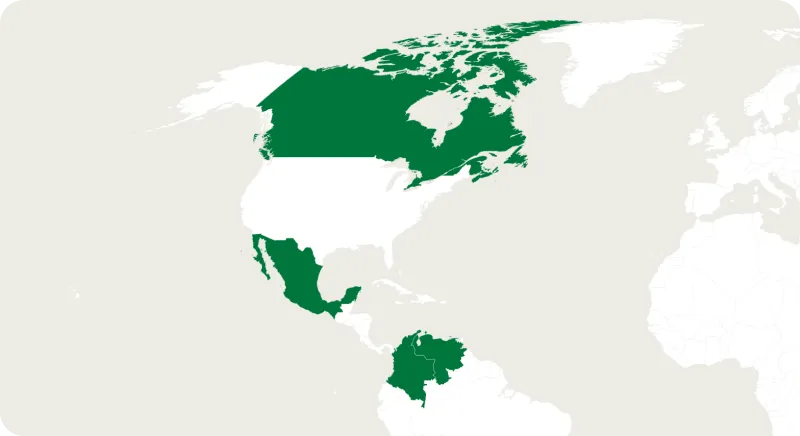
Map highlighting Canada, Mexico, Central America, and parts of South America as key markets across the Americas.

The Americas

Direct soybean and meal customers in Mexico, Canada, and Central and South America, along with expanding pork and poultry demand across the region, contribute to increased opportunities for U.S. soybean exports.
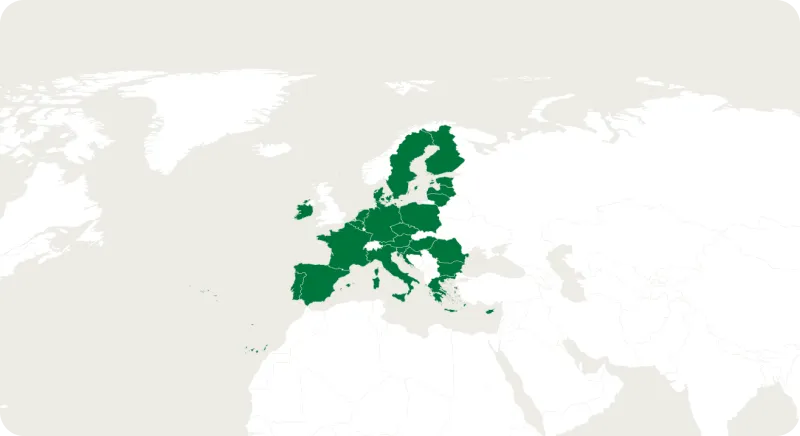
Map highlighting European countries across the European Union and surrounding regions as key international markets.

Europe

Europe is an established market for U.S. soybeans, with exports to the EU growing 37% over the last five years, driven by demand for whole soybeans and soybean meal.

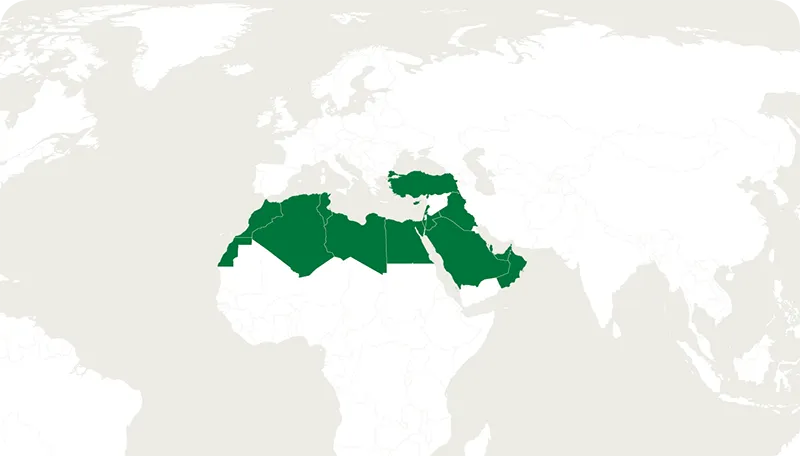
Map highlighting the Middle East and North Africa as key international markets.

Middle East & North Africa

The Middle East and North Africa represent an emerging destination for U.S. soybeans, with checkoff investment supporting market access and infrastructure research, analysis, and design across the region.

How the Checkoff Pays Off

Checkoff investment is built to return value to U.S. soybean farmers. See what it has produced.

Explore Checkoff Results