Selling U.S. soybeans means selling biotech

USB’s Biotechnology Initiative breaks down barriers

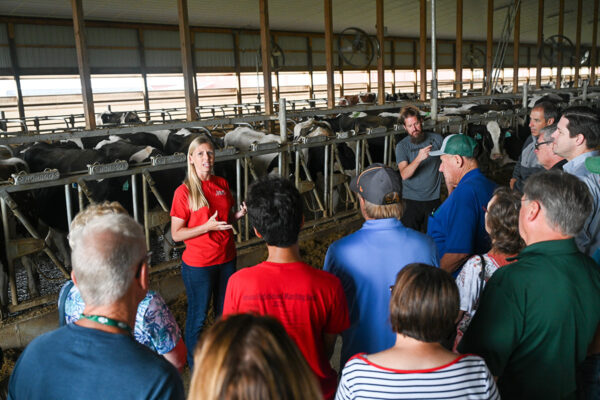
Selling U.S. soybeans means selling biotech It may be hard to believe, but biotechnology isn’t always well understood. And that lack of understanding sometimes turns into active opposition that can block the sale of U.S. soy in some countries. The farmer-leaders of the United Soybean Board (USB) identified biotechnology as a priority in 2009, as new biotech varieties inched closer to commercialization. That’s how the checkoff’s Biotechnology Initiative came about. In the photo, USB farmer-leaders Keith Kemp (in red shirt, fifth from right) and Jared Hagert (in green ...

Read More


Update from Turkey on the future of functional food

Update from Turkey on the future of functional food

Editor’s Note: The soybean checkoff works to support the acceptance of biotechnology globally, in order to ensure U.S. soybean exports can be sold in every country in the world. As part of that effort, the Biotech Initiative organizes Biotech U, ...

Read More

Biotech U

Biotech U

Editor’s Note: The soybean checkoff works to support the acceptance of biotechnology globally, in order to ensure U.S. soybean exports can be sold in every country in the world. As part of that effort, the checkoff’s Biotech Initiative organizes Biotech ...

Read More

Opening new markets for biotechnology around the world

Opening new markets for biotechnology around the world

Ever since the first biotech soybeans hit the market in 1996, studies have shown that farmers globally have saved money on inputs and tillage while increasing yield. Yet in many parts of the world, biotechnology attracts opponents who dispute its ...

Read More

Biotech: Modern cross-breeding with major benefits to farmers

Biotech: Modern cross-breeding with major benefits to farmers

Plant biotechnology has been ongoing as long as farmers and plant breeders have tried to create crops with more desirable characteristics, such as plants that are taller or shorter, or more resistant to adverse growing conditions. Originally, they created new plants ...

Read More